
Ebola Virus Symptoms and Treatment Disease
Ebola Virus Disease (EVD), also known as Ebola, is a severe and often deadly viral hemorrhagic fever caused by viruses in the Ebolavirus genus (family Filoviridae). There are several species, with Zaire ebolavirus (now Orthoebolavirus zairense) being the most common and deadliest in major outbreaks.
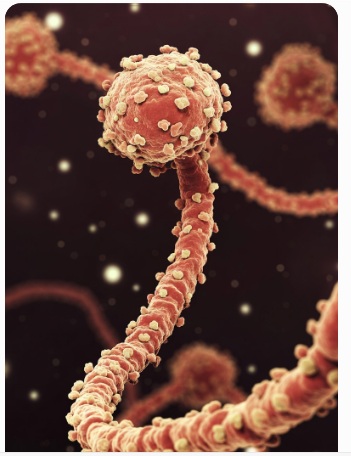
The Ebola virus is a filamentous, enveloped, negative-sense RNA virus from the Filoviridae family. It causes severe hemorrhagic fever in humans and other primates. The image above shows its typical long, thread-like (filamentous) morphology.
Incubation Period
Symptoms typically appear 2 to 21 days after exposure (average 8–10 days). People are not contagious until symptoms begin.
Symptoms
Ebola often starts with “dry” symptoms (flu-like) and can progress to “wet” symptoms (gastrointestinal and hemorrhagic).
Early/Dry symptoms:
- Fever
- Severe headache
- Muscle and joint aches/pains
- Weakness and fatigue
- Sore throat
- Loss of appetite
Later/Wet symptoms (as the disease progresses):
- Nausea and vomiting
- Diarrhea (often severe)
- Abdominal (stomach) pain
- Unexplained bleeding or bruising (e.g., from gums, nose, eyes, or in stool/vomit)
- Rash (may appear on the skin)
- Impaired kidney and liver function
- Confusion, seizures, or other neurological issues in severe cases
- Shock and multi-organ failure
Symptoms can resemble other common illnesses like malaria, typhoid, or flu, making early diagnosis challenging.
Transmission
Ebola spreads through direct contact with:
- Blood or bodily fluids (urine, saliva, sweat, feces, vomit, breast milk, semen) of infected people or deceased individuals.
- Contaminated objects (needles, surfaces).
- Infected animals (e.g., fruit bats, primates) in endemic areas.
It is not airborne or spread through casual contact, water, or food (except bushmeat in some regions).
Treatment
There is no universal cure, but outcomes have improved significantly with modern care.
1. Specific Treatments (for Zaire ebolavirus only):
- Inmazeb® (atoltivimab/maftivimab/odesivimab) — a combination of three monoclonal antibodies, given as a single IV infusion.
- Ebanga® (ansuvimab) — a single monoclonal antibody, also given as a single IV infusion.
These are FDA-approved and recommended by WHO for Zaire ebolavirus infections. They help the immune system fight the virus.
2. Supportive Care (critical for survival):
- Aggressive fluid and electrolyte replacement (IV or oral rehydration).
- Management of symptoms: anti-nausea/vomiting meds, pain relief, fever control.
- Oxygen support and blood pressure management.
- Treatment of secondary infections (e.g., bacterial).
- Nutritional support.
- Monitoring and care for organ failure or bleeding.
Early intensive supportive care greatly improves survival rates.
Prognosis (Case Fatality Rate)
- Average around 50%, but varies widely (25–90%) depending on the virus strain, access to care, and outbreak conditions.
- With good supportive care and monoclonal antibodies, survival rates are much higher than in past outbreaks.
Prevention:
- Vaccines exist for Zaire ebolavirus (e.g., Ervebo).
- Avoid contact with infected people/fluids, practice strict infection control in healthcare, and safe burial practices.
- No specific prevention for all Ebola species yet.