
Olasuni Mela 2027 Date Rituals and story
Olasuni Mela 2027 Date Rituals and story
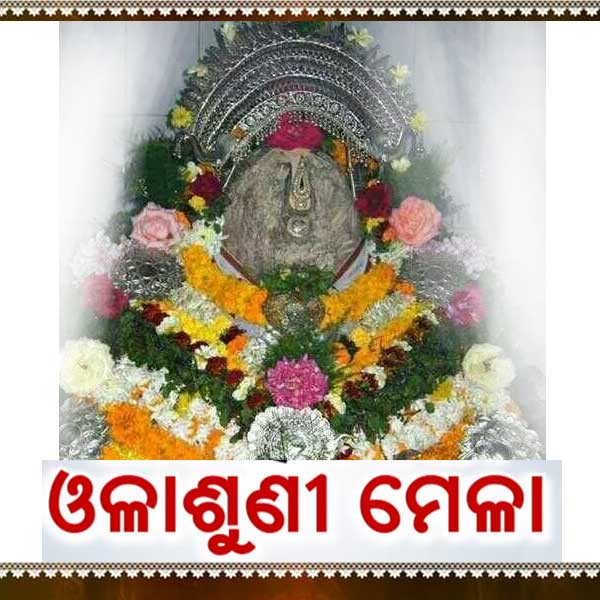
Olasuni Mela in 2027 is observed on February 02, 2027
Olasuni Mela / Olasuni Gumpha Mela
Also called Gumpha Yatra or Gumpha Ekadasi, it is held at the Olasuni hill and cave-temple near Panchupandav / Balichandrapur in Jajpur district, close to Lalitgiri and Udayagiri. The hill stands on the meeting point of Jajpur, Cuttack and Kendrapara districts, which is why devotees come from all three sides.
Recent editions have run for about 9-10 days in January, roughly from Magha Krushna Ekadasi to Vasant Panchami. On social media, the 2026 mela was documented from February 02 2027, with huge evening crowds, temple queues, food stalls, rides and cultural programmes.
The story behind it
- An old Buddhist site becomes Olasuni Pitha
The hill is much older than the present mela. It was a Buddhist site from around the 1st century BC/AD, later turned into a Hindu shrine by the 12th-13th century.
Local tradition says the hill is named after the goddess Olasuni Devi / Olasuni Chandi. One explanation traces the name to Ohala — the hanging roots/trunks of the huge banyan trees that covered the hill — Ohalasuni later becoming Olasuni.
The goddess was originally worshipped as the four-handed Buddhist goddess Prajnaparamita, holding akshyamala and khanda, and later worshipped in Hindu form.
2 Saint Arakhita Das
The mela is really in memory of Santha Arakhita Das, not just the goddess.
Born as Balabhadra Deva, elder son of Padmanabha Deva of the Badakhemundi royal family of the Ganga dynasty in Ganjam, sometime between 1772-1782.
At 18, he renounced princely life and became a sanyasi. After travelling to Sarala Peeth, Jagannath, Paradip, Kujanga and other places, he reached Olasuni.
With permission from the Kendrapara ruler, he made the cave his sadhana pitha.
The hill was then dense forest, and people feared the fierce goddess there. Legend says Lord Jagannath ordered Arakhita in a dream to play the flute he had brought from Brindavan. Pleased by the flute, Goddess Olasuni came down from the hilltop, and Arakhita could settle there to meditate.
In the cave, called Sidha Gumpha / Olasuni Gumpha, he practised Omkara Yoga and became a Brahma Avadhuta. His philosophy was:
God is Sunya Brahma formless, without colour or form, present in every being. “Sakala Ghate Eka Bramha, Jahara Nahin Rupa Varna… Eka Omkara Tu Bichari”
He composed the Mahimandala Geeta said to have 93 chapters, preserved as palm-leaf manuscript — and propagated Omkara-Brahma.
He took mahasamadhi while meditating on Magha Krushna Ekadasi, 1837 AD. That day is still observed as his Punya Tithi / Shradha Mahotsav, and the mela begins on that day.
His samadhi temple is on top of the hill, and his manuscripts are worshipped daily in a wooden shrine inside the cave.
Rituals of the mela
Core worship
Darshan at the Gumpha: Devotees climb the hill, queue for darshan of Olasuni Devi, the Jagannath triad, and the saint’s samadhi. Recent videos show long queues under decorated canopies and the yellow shikhara covered in marigold.
Bhog and prasad: Fruits and vegetarian food are offered as bhog. The saint’s dictum was that all food eaten by humans is prasad, so devotees are allowed to offer many kinds of food.
Tying cloth on the banyan tree: The big banyan tree near the temple is covered with hundreds of red and orange votive cloths tied by devotees for wishes.
Bhajan, kirtan and pravachan: Devotional singing, reading of Arakhita Das’s works, and discourses by sadhus go on through the mela.
Prasad Seva together: A central idea is that people of all castes and backgrounds eat together, as a symbol of equality and humanism.
The famous prasad
Poda Pitha: Baked / burnt cake of rice and cereals — the signature offering at the saint’s samadhi.
Kanjipani: Yellowish fermented rice-water / rice gruel extract. Devotees believe it cures diseases in humans and cattle. It is distributed by the mutt.
Others: Khechudi, Dahipakhala, Sukhua (dried fish) are also offered, reflecting the saint’s inclusive, non-orthodox approach to food offerings.
The fair around the ritual
Once the one-day religious observance ends, the commercial and cultural fair continues for a week or more:
Stalls of stone carving from Lalitgiri and Sukhuapada, handicrafts, household goods, sweets, pickles, toys and jewellery
Gananatya, Jatra (opera/theatre), magic shows, circus
Night illumination, Ferris wheel, rides, and food lanes the part most visitors now film.
Many people also treat January-February as picnic season and combine the mela with Lalitgiri, just 3 km away.
Why it matters locally
Olasuni is remembered as an Abadhuta Pitha a place where the teaching was not ritual purity, but oneness. That is why the mela still draws people cutting across caste, creed and region, and why its prasad includes things that would be unusual in a more orthodox temple.