
Which oil is best for baby hair growth and thickness
Which oil is best for baby hair growth and thickness
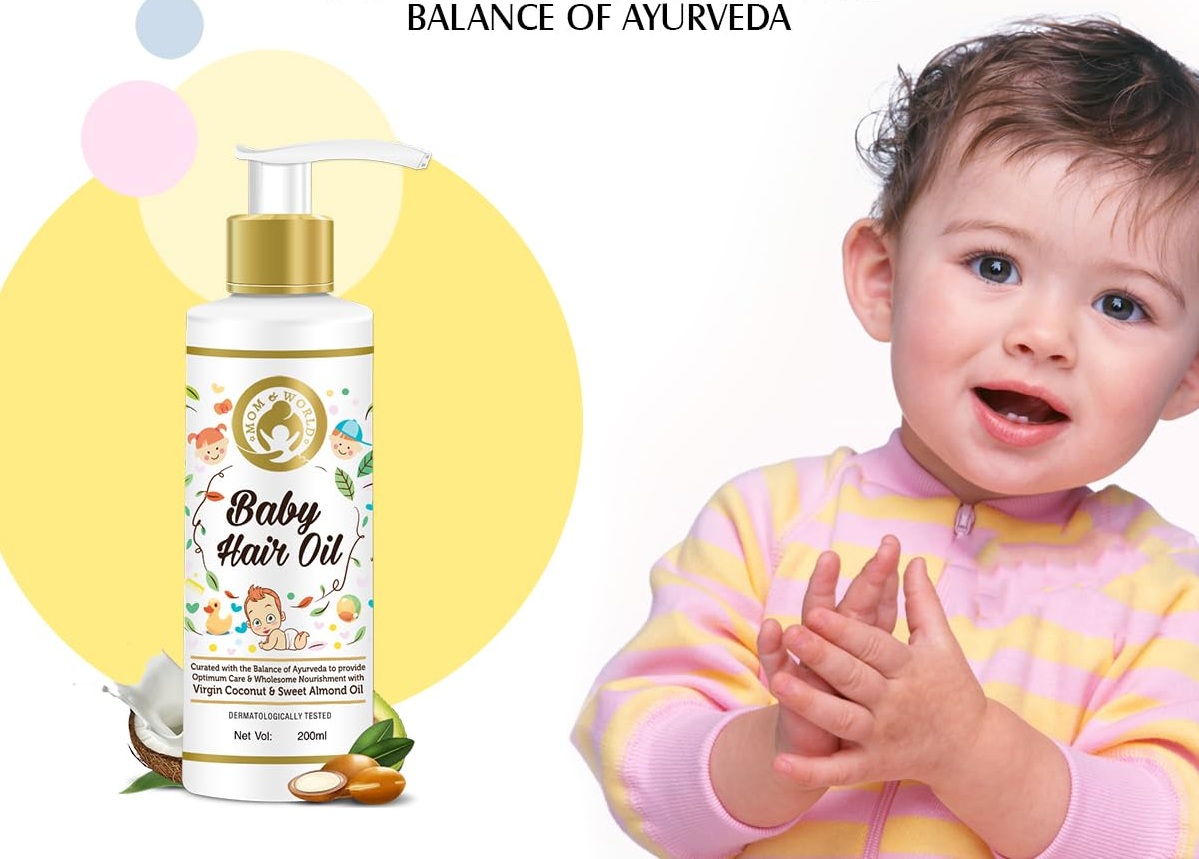
First, a vital point to set expectations: no oil can actually make a baby’s hair grow faster. Hair growth is driven by genetics and nutrition, not by what you put on the scalp. The real value of oiling is in supporting a comfortable, healthy scalp and creating a gentle bonding ritual—not in forcing growth. For a baby girl with a sensitive scalp, the guiding principle is simplicity: plain, single-ingredient carrier oils with no fragrance or additives.
Gentle, Baby-Safe Carrier Oils
These are the most commonly recommended options for an infant’s delicate scalp.
| Oil | Why it is considered suitable | Key cautions |
|---|---|---|
| Coconut oil | The most studied option for infant skin; has mild antimicrobial properties and is least likely to disrupt the skin barrier. | Choose cold-pressed, unrefined coconut oil with no added scent. |
| Sweet almond oil | Lightweight, absorbs well, and is gentle on most newborn scalps. | Avoid if there is any family history of tree-nut allergy. |
| Jojoba oil | Its composition closely mimics the scalp’s natural oils, making it excellent for moisturising without heaviness. | Generally very well tolerated; still patch-test first. |
| Olive oil | A traditional, reasonable option for moisturising and loosening dry flakes. | Some research suggests prolonged use may slightly alter the skin barrier, so use it infrequently |
Oils and Ingredients to Strictly Avoid
A baby’s scalp is thinner and more absorbent than an adult’s, so certain ingredients carry real risks.
All essential oils (lavender, tea tree, eucalyptus, peppermint, rosemary, etc.): These are too concentrated for infant skin, even when diluted. They can cause irritation, allergic reactions, and some carry risks of respiratory irritation or hormonal disruption with repeated exposure. Do not add any essential oil to a baby’s scalp product.
Mustard oil: Despite traditional use, it is high in erucic acid and can irritate delicate infant skin, causing contact dermatitis. Paediatric dermatology guidance generally advises against it for newborns.
Mineral oil / petroleum-based “baby oils”: These form an occlusive film that can block pores and trap sweat and dust. They do not supply beneficial fatty acids to the scalp.
Fragranced or perfumed oils: Synthetic fragrance offers no scalp benefit and is an unnecessary contact point that can trigger sensitisation over time.
Adult hair-growth oils or blends with “actives”: A baby’s scalp does not need a high-intensity growth routine. Avoid products with warming ingredients or unknown concentrations of botanicals
Step-by-Step Safe Usage Guidance
If you choose to oil her scalp, follow these steps to minimise risk and maximise comfort.
-
Patch test first, every time you try a new oil. Apply a tiny amount to the inner wrist or behind the ear. Wait 24 hours and check for any redness, rash, or irritation before using it on her scalp.
-
Warm the oil gently. Place a few drops in your palms and rub them together to bring the oil to body temperature. Test a drop on your own wrist—it should feel comfortably warm, not hot.
-
Use a minimal amount. 3 to 4 drops is sufficient for a baby’s entire scalp. More oil is not better and can lead to buildup.
-
Massage with fingertip pads only. Use the soft pads of your fingers—never your nails—to make small, gentle circles over the scalp. Avoid pressing on the soft spots (fontanelles) on the top and back of her head.
-
Keep it brief and wash it out. Leave the oil on for 15–30 minutes before a bath. Do not leave oil on overnight, especially in warm weather, as it can trap sweat and dust and may worsen cradle cap. Wash it out completely with a mild, fragrance-free baby shampoo.
-
Frequency: Once or twice a week is plenty for general scalp comfort. Daily oiling is unnecessary and may overwhelm her sensitive skin.
When to Stop and See a Doctor
Discontinue oiling and consult a paediatrician or paediatric dermatologist if you notice:
-
Redness, rash, or swelling at the application site.
-
Increased flaking, crusting, or oozing (possible worsening cradle cap or infection).
-
Unusual hair loss or patches of missing hair.
-
Signs of discomfort, such as persistent crying or scratching at the scalp.
Summary for your recommendations: For a baby girl’s sensitive scalp, the safest approach is a plain, cold-pressed carrier oil (coconut or jojoba are excellent first choices) used sparingly (3–4 drops), briefly (15–30 minutes before a bath), and infrequently (1–2 times per week). Avoid all essential oils, mustard oil, mineral oil, and fragranced products. Always patch-test, massage gently avoiding the fontanelles, and wash the oil out completely. Focus on scalp comfort and bonding rather than expecting oil to accelerate hair growth.