
How Milk Powder Is Made: Is It Safe for Kids? Dairy Whitener vs Milk Powder
How Milk Powder Is Made: Is It Safe for Kids? Dairy Whitener vs Milk Powder
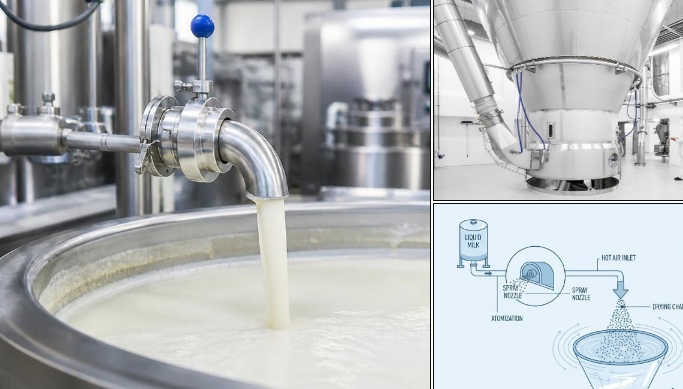
Milk powder is a convenient dairy product used in homes, schools, bakeries and food manufacturing. But many parents have questions: Is milk powder healthy for children? How is it manufactured? Is dairy whitener the same as milk powder?
The short answer is milk powder can be a safe and nutritious choice for children when it is age-appropriate, properly prepared and consumed as part of a balanced diet. Dairy whitener, however, is a different product and should not automatically be treated as a substitute for milk.
1. How Is Milk Powder Made?
Milk powder is generally made by removing most of the water from fresh milk while retaining many of its nutrients. The process helps extend shelf life and makes the product easier to transport and store.
The main manufacturing steps are:
Step 1: Milk collection and testing
Milk is collected from dairy farms and tested for quality, composition and safety before processing.
Step 2: Pasteurization
The milk is heat-treated to destroy harmful microorganisms and reduce food safety risks.
Step 3: Water removal
The milk is concentrated, usually using evaporation under reduced pressure, which removes a large amount of water.
Step 4: Spray drying
The concentrated milk is sprayed into hot air as tiny droplets. The remaining water evaporates quickly, leaving fine milk powder.
Step 5: Packaging and storage
The powder is packed in moisture-resistant packaging to help preserve its quality, freshness and shelf life.
Milk powder is available in different forms, including whole milk powder, skimmed milk powder and instant milk powder. Their fat content and processing methods can differ.
2. Is Milk Powder Safe for Kids?
Yes, ordinary milk powder can be safe for children over 12 months of age when it is a suitable product, prepared according to the label and consumed as part of a balanced diet.
Milk powder can provide protein, calcium, milk fat (in whole milk powder), lactose and other nutrients. However, its nutritional value depends on whether it is whole milk powder, skimmed milk powder or a fortified product.
Milk powder for different age groups
| Child’s age | Is ordinary milk powder suitable? |
|---|---|
| Under 6 months | No. Breast milk or appropriate infant formula is needed. |
| 6–11 months | Do not use ordinary milk powder as a breast-milk or infant-formula substitute. |
| 12 months and older | Can be suitable when prepared correctly and incorporated into a balanced diet. |
| School-age children | Can be a convenient source of dairy nutrients, depending on the product and diet. |
These are general guidelines; children with specific nutritional needs may require individual advice. Guidance on introducing cow’s milk from 12 months is available from the CDC.
Important: Ordinary milk powder is not infant formula. Babies under 12 months should receive breast milk or an age-appropriate infant formula when needed. Powdered infant formula is also not sterile, so its preparation and storage instructions must be followed carefully.
Benefits of milk powder for children
-
Calcium: Supports the development of strong bones and teeth.
-
Protein: Helps build and maintain body tissues.
-
Energy: Whole milk powder contains fat and other nutrients that provide energy.
-
Convenience: It can be stored for longer than fresh milk when unopened and stored correctly.
-
Versatility: It can be used in porridge, cooking, baking and other foods.
Possible disadvantages
-
Lactose intolerance: Children who cannot digest lactose may experience gas, bloating or diarrhoea.
-
Milk allergy: Milk powder contains milk proteins that can trigger allergic reactions in children with cow’s milk allergy.
-
Added sugar: Some flavoured milk powders and children’s drink mixes contain considerable added sugar.
-
Excessive intake: Too much milk can reduce a child’s appetite for other nutritious foods.
Choose plain, unsweetened milk powder where appropriate, check the ingredient list, and seek medical advice if your child has a milk allergy or persistent digestive symptoms.
3. Dairy Whitener vs Milk Powder: What’s the Difference?
Milk powder and dairy whitener may look similar, but they are not the same product. The key difference is their composition and intended use.
According to India’s Food Safety and Standards Authority of India (FSSAI), dairy whitener is a processed milk product that contains added carbohydrates, such as sucrose, dextrose or maltodextrin.
| Feature | Milk powder | Dairy whitener |
|---|---|---|
| Main purpose | Reconstituting milk and cooking | Primarily whitening tea and coffee |
| Ingredients | Dried milk; composition depends on type | Milk ingredients plus added carbohydrates |
| Added sugar | Plain varieties generally have no added sugar | Often contains added sugar or other carbohydrates |
| Protein | Depends on whether it is whole or skimmed milk powder | Varies by formulation |
| Calcium | Naturally present in milk solids | Present, but the amount varies |
| Taste | Generally tastes like milk | Often sweeter and creamier |
| Uses | Drinking, porridge, cooking and baking | Mainly tea, coffee and similar beverages |
| Suitable as a child’s regular milk drink? | Potentially, if age-appropriate and correctly prepared | Generally not the preferred choice because of added carbohydrates and varying nutrition |
Which one is healthier for children?
Plain milk powder is generally the better choice than dairy whitener when you want a milk-based drink for a child. It more closely represents dried milk, whereas dairy whitener is formulated for beverages and contains added carbohydrates.
However, compare the nutrition labels rather than relying on the product name alone. Look at protein, calcium, total sugars, added sugars, fat and any added vitamins or minerals.
Dairy whitener is not necessarily unsafe in small amounts, but it should not be assumed to provide the same nutrition as milk.